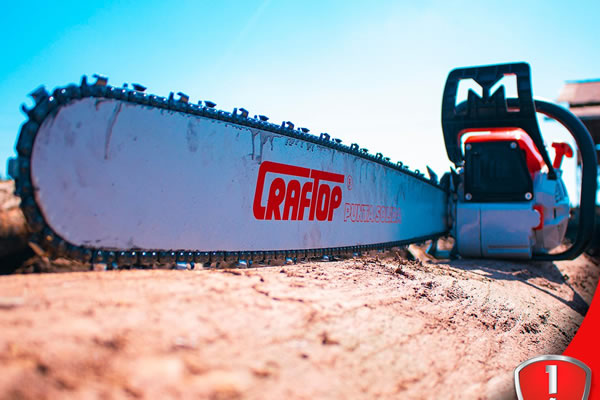
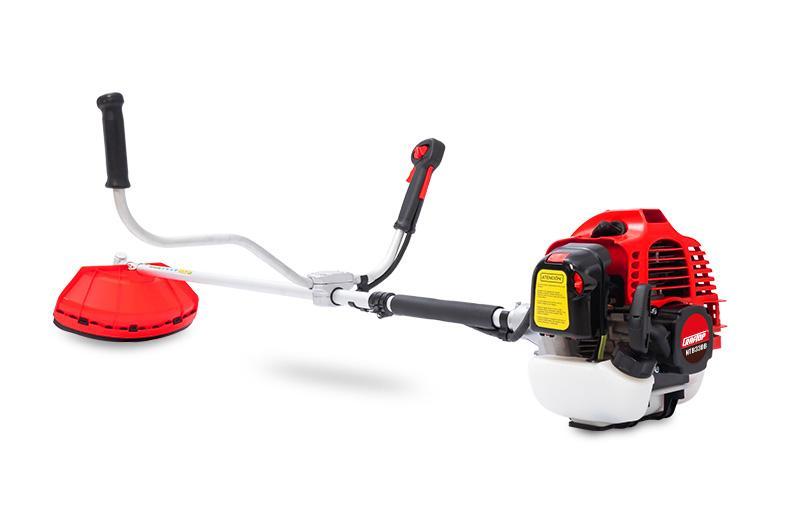
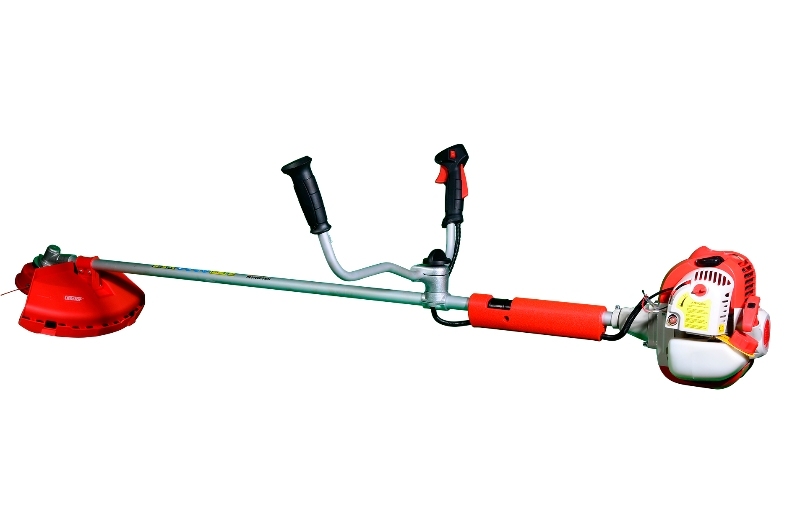
A brush cutter is an essential tool for maintaining overgrown vegetation, clearing weeds, or tackling tough brush in gardens, fields, or wooded areas. However, selecting the right model can be challenging, given the variety of options available. This guide will help you navigate key factors—such as power source, cutting capacity, and ergonomics—to find the best brush cutter for your needs.
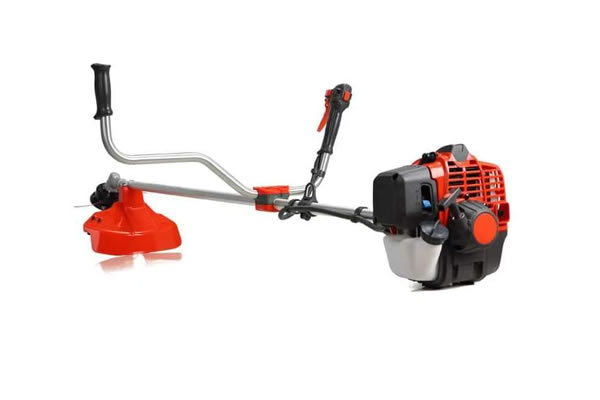
1. Identify Your Use Case
- Start by defining the tasks you’ll tackle most frequently:
- Light-duty work: Trimming grass, weeds, or small vegetation around a yard. A lightweight, electric or battery-powered model may suffice.
- Medium-duty tasks: Clearing thick weeds, brambles, or light brush. Opt for a gas-powered or high-torque battery model.
- Heavy-duty jobs: Cutting dense undergrowth, saplings, or woody plants. A professional-grade gas brush cutter with a metal blade is ideal.
Consider the terrain: Steep slopes or uneven ground may require a harness-compatible model for better control.
2. Choose the Power Source
Brush cutters come in three primary types, each with pros and cons:
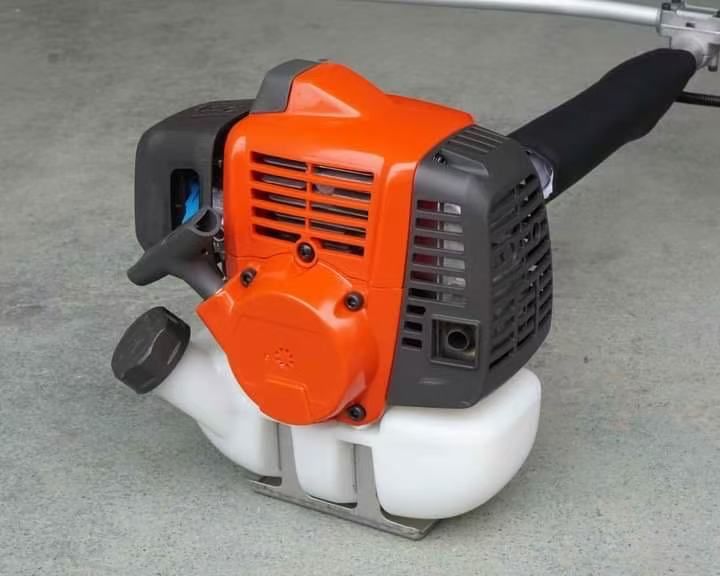
- Gas-powered:
- Pros: High power, unlimited runtime (with fuel), and versatility for heavy-duty tasks.
- Cons: Heavy, noisy, and requires regular maintenance (e.g. oil mixing, air filters).
- Best for: Large properties, dense vegetation, or professional use.
- Battery-powered (Cordless):
- Pros: Lightweight, quiet, low maintenance, and emission-free. Modern lithium-ion batteries offer decent runtime (e.g. 30–60 minutes).
- Cons: Limited by battery life; less power for thick brush.
- Best for: Small to medium yards, eco-conscious users, or occasional use.
- Electric (Corded):
- Pros: Lightweight, affordable, and consistent power.
- Cons: Restricted by cord length; unsuitable for large or remote areas.
- Best for: Small, flat yards with easy access to power outlets.
3. Cutting Attachments
The cutting head and blade type determine the tool’s effectiveness:
- Nylon line trimmer heads: Ideal for grass and light weeds. Replaceable lines are easy to maintain but struggle with thick brush.
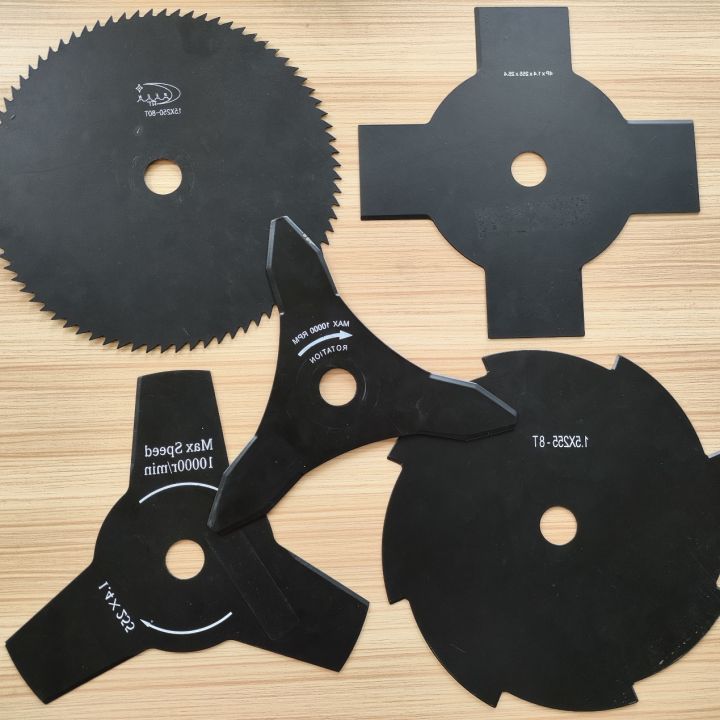
- Metal blades:
- 3-tooth metal blades: Handle medium weeds and light brush.
- 4-tooth metal blades: Cut through thick vegetation and small saplings.
- Circular saw blades: For heavy-duty tasks like clearing woody plants.
Ensure the brush cutter supports interchangeable attachments for flexibility.
4. Engine Power and Cutting Width
- Gas models: Engine power is measured in cubic centimeters (cc).
- 25–30cc: Suitable for light to medium tasks.
- 35cc+: Necessary for heavy-duty work.
- Battery/electric models: Look for voltage (e.g. 40V–80V). Higher voltage equals more power.
- Cutting width: A wider swath (12–18 inches) covers more area quickly but may be harder to maneuver in tight spaces.
5. Ergonomics and Weight
- Comfort is critical for extended use:
- Weight: Gas models are heaviest (10–15+ lbs), while battery/electric options are lighter (6–10 lbs).
- Anti-vibration systems: Reduce fatigue during prolonged use.
- Handle design: Loop handles offer better control for tough jobs; bicycle handles improve maneuverability.
- Harness compatibility: Essential for heavy models to distribute weight across your shoulders.
6. Safety Features
- Brush cutters can be dangerous if mishandled. Prioritize:
- Safety guards: Protect against debris.
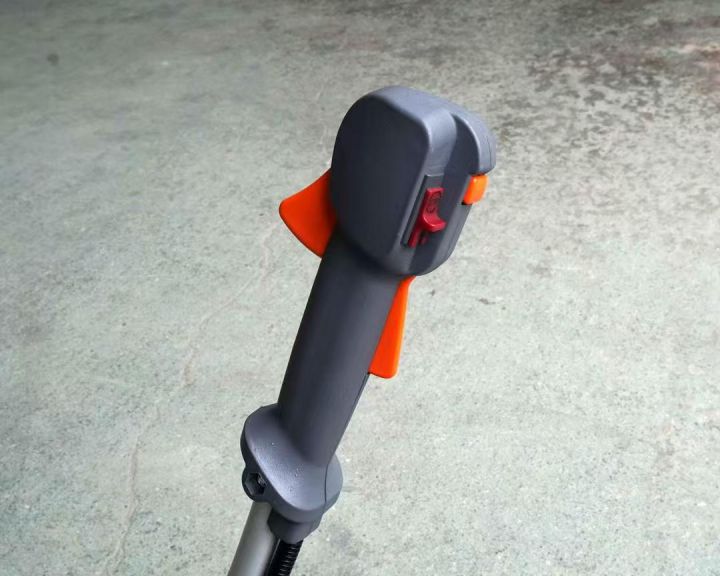
- Throttle lock: Prevents accidental acceleration.
- Emergency stop switch: Stops the blade when releasing the trigger.
- Blade brake: Halts the blade quickly in emergencies.
7. Maintenance and Durability
- Gas models: Require frequent upkeep (spark plugs, air filters, fuel mixing).
- Battery/electric: Minimal maintenance but check battery lifespan and charger compatibility.
- Build quality: Look for corrosion-resistant materials (e.g. reinforced nylon, steel shafts).
8. Budget and Brands
- Budget-friendly: Electric models start at 50–150.
- Mid-range: Battery-powered options cost 90-200.
- Professional gas cutters: Range from 90-200.
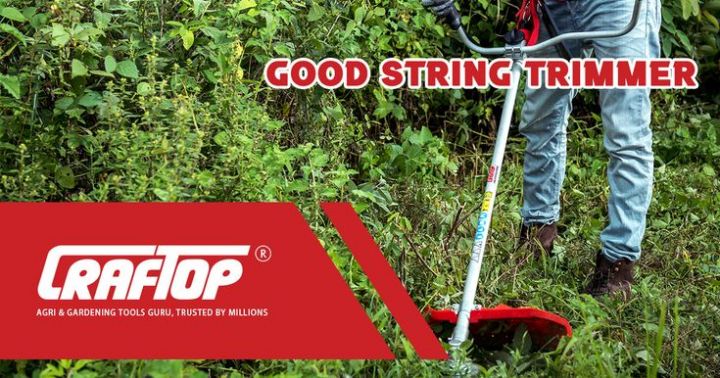
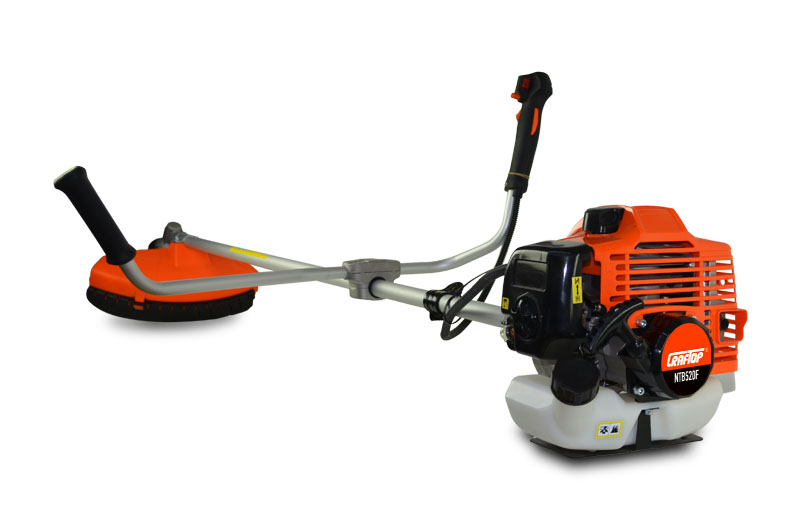
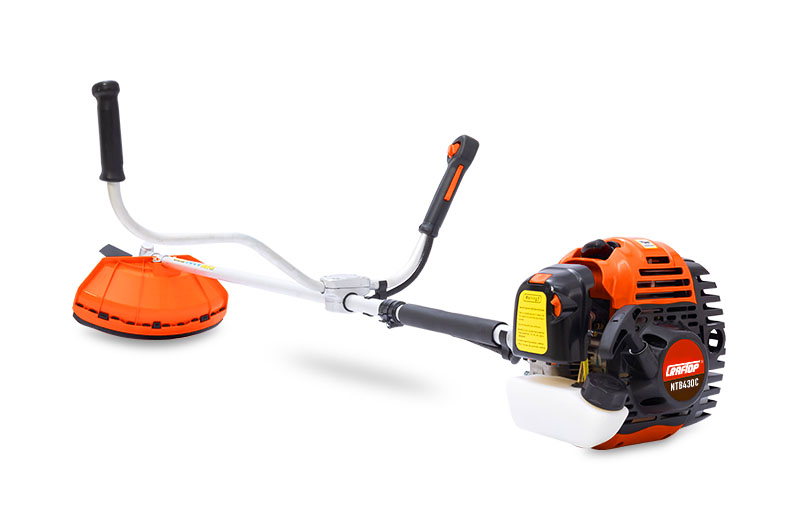
Stick to reputable brand like CRAFTOP for reliability and service support.
Final Tips
- Test the tool’s balance and noise level before purchasing.
- Invest in safety gear: gloves, goggles, ear protection, and sturdy boots.
- Check warranty terms and local dealer support for repairs.
Whether you’re maintaining a garden or clearing acres of land, the right brush cutter combines power, comfort, and durability to make your work efficient and safe. Match your needs to the tool’s capabilities, and you’ll conquer even the toughest vegetation with ease.

 EN
EN


 AR
AR BG
BG HR
HR CS
CS DA
DA NL
NL FI
FI FR
FR DE
DE EL
EL IT
IT JA
JA KO
KO NO
NO PL
PL PT
PT RO
RO RU
RU ES
ES SV
SV CA
CA TL
TL IW
IW ID
ID LV
LV LT
LT SR
SR SK
SK SL
SL UK
UK VI
VI SQ
SQ ET
ET GL
GL HU
HU MT
MT TH
TH TR
TR FA
FA AF
AF MS
MS SW
SW GA
GA CY
CY BE
BE IS
IS MK
MK YI
YI HY
HY AZ
AZ EU
EU KA
KA HT
HT UR
UR BN
BN BS
BS EO
EO GU
GU HA
HA HMN
HMN IG
IG JW
JW KN
KN KM
KM LO
LO LA
LA MI
MI MR
MR MN
MN NE
NE PA
PA SO
SO TA
TA TE
TE YO
YO ZU
ZU MY
MY NY
NY KK
KK MG
MG ML
ML SI
SI ST
ST SU
SU TG
TG UZ
UZ AM
AM CO
CO KU
KU KY
KY LB
LB PS
PS SM
SM GD
GD SN
SN SD
SD FY
FY XH
XH