Selecting the right chainsaw can seem daunting, especially with the variety of options available. Whether you’re a homeowner tackling occasional yard work or a professional logger, choosing the right tool requires careful consideration of power, safety, and practicality. Below is a guide to help you make an informed decision.
1. Determine Your Purpose
The first step is to identify your primary use for the chainsaw.
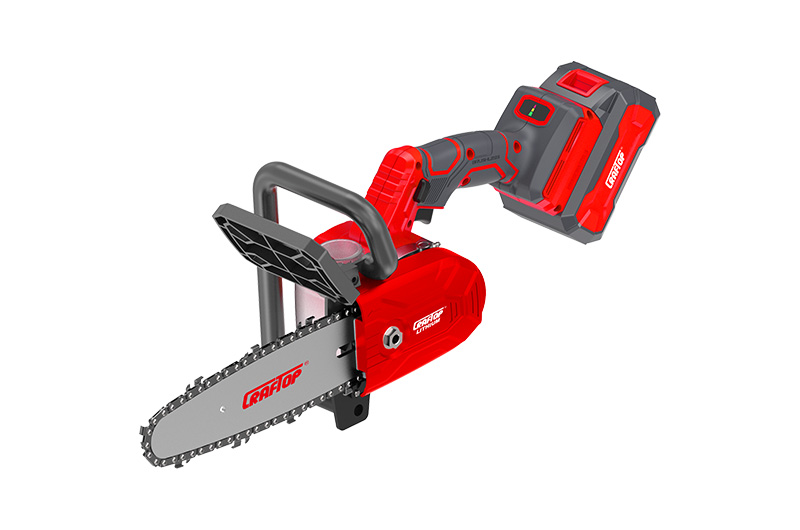
- Light-duty tasks: For trimming branches, cutting firewood, or small DIY projects, an electric or battery-powered chainsaw (cordless) is ideal. These models are lightweight, quieter, and require less maintenance. Hot-selling battery chainsaw models are:
- CRAFTOP CLiCS1 Battery Chainsaw
- CRAFTOP CLiCS2 Battery Chainsaw
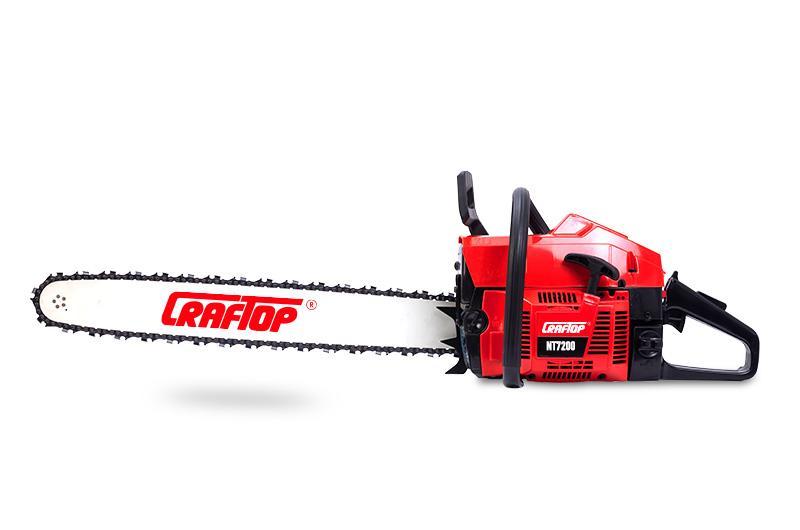
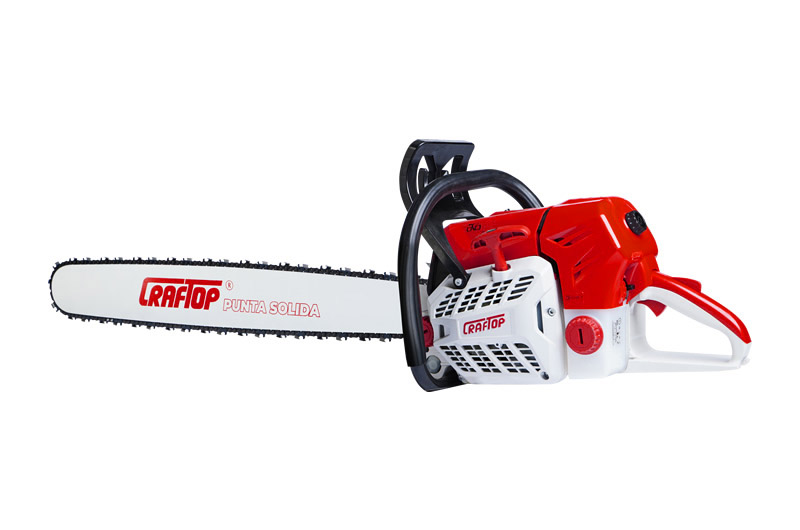
- Heavy-duty jobs: If you’re felling trees, processing large logs, or working in remote areas, a gas-powered chainsaw offers unmatched power and portability. Best-rated heavy-duty chainsaw models are:
- CRAFTOP NT7200 Heavy-Duty Saw
- CRAFTOP NT9260 Petrol Chainsaw
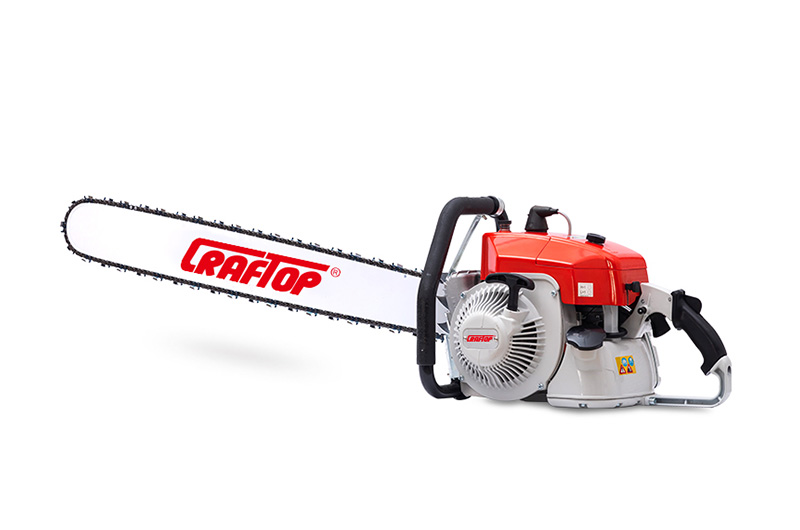
- Professional use: Forestry workers or arborists should prioritize commercial-grade gas models with high torque and durability. Then CRAFTOP NT10500 Gas Chainsaw would be a good choice.
2. Power Source Options
- Chainsaws come in three main types:
- Gas-powered: Best for heavy-duty tasks, these saws deliver high power but are heavier, noisier, and require regular maintenance (e.g., mixing fuel and oil).
- Electric (corded): Suitable for light tasks near a power source, these are quieter and eco-friendly. However, cords limit mobility.
- Battery-powered: A middle ground, these offer portability and low maintenance. Modern lithium-ion batteries provide decent runtime, making them ideal for suburban yards.
3. Engine Size and Bar Length
- Engine displacement (gas models): Measured in cubic centimeters (cc), a higher cc means more power. For most homeowners, 30–50cc is sufficient. Professionals may need 60cc+.
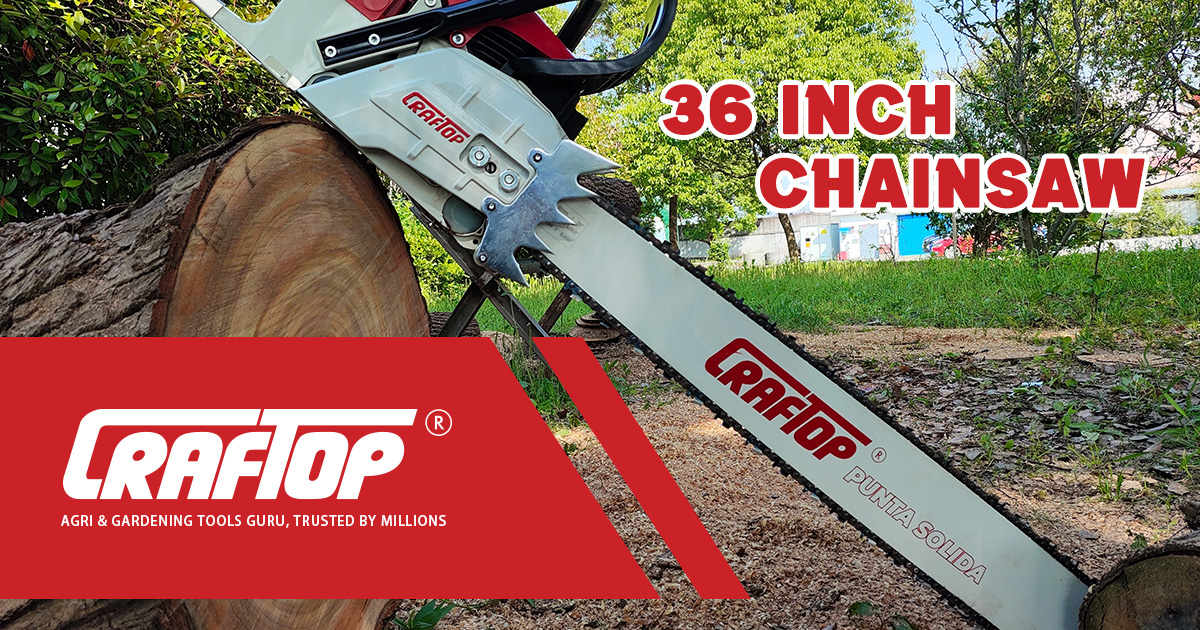
- Bar length: This determines the maximum cut diameter. A 14–16-inch bar suits pruning and small logs, while 18–20+ inches are for large trees. Match the bar length to your tasks to avoid overworking the saw.
4. Weight and Ergonomics
A heavy chainsaw can cause fatigue quickly. Test the tool’s balance and grip comfort. Electric and battery models are lighter (8–12 lbs), while gas saws weigh 10–15+ lbs. Look for anti-vibration features to reduce hand strain during prolonged use.
5. Safety Features
- Chainsaws are inherently dangerous, so prioritize safety mechanisms:
- Chain brake: Stops the chain immediately if kickback occurs.
- Low-kickback chain: Reduces the risk of sudden upward motion.
- Throttle lock: Prevents accidental acceleration.
- Hand guards: Protect against debris.
6. Maintenance Requirements
Gas chainsaws need frequent upkeep (air filters, spark plugs, chain tensioning). Electric and battery models require minimal maintenance but may lack longevity. Always check warranty terms and part availability.
7. Brand Reputation
Stick to reputable brands like CRAFTOP, NEWTOP and SURTEC for reliability and customer support. Read reviews and ask for recommendations from experienced users.
- Final Tips
- Test before buying: Visit a store to handle the saw.
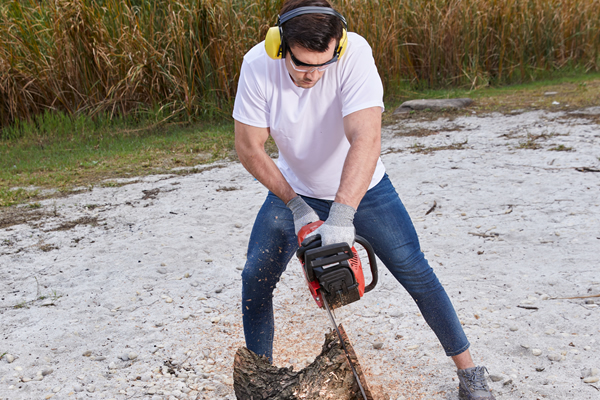
- Invest in safety gear: Gloves, goggles, and ear protection are essential.
- Consider storage: Gas models need proper fuel storage; electric saws require dry, safe spaces.
By aligning your needs with the right power, size, and safety features, you’ll find a chainsaw that enhances efficiency without compromising safety. Whether you’re maintaining a garden or clearing a forest, the perfect tool is out there—choose wisely!

 EN
EN
 AR
AR BG
BG HR
HR CS
CS DA
DA NL
NL FI
FI FR
FR DE
DE EL
EL IT
IT JA
JA KO
KO NO
NO PL
PL PT
PT RO
RO RU
RU ES
ES SV
SV CA
CA TL
TL IW
IW ID
ID LV
LV LT
LT SR
SR SK
SK SL
SL UK
UK VI
VI SQ
SQ ET
ET GL
GL HU
HU MT
MT TH
TH TR
TR FA
FA AF
AF MS
MS SW
SW GA
GA CY
CY BE
BE IS
IS MK
MK YI
YI HY
HY AZ
AZ EU
EU KA
KA HT
HT UR
UR BN
BN BS
BS EO
EO GU
GU HA
HA HMN
HMN IG
IG JW
JW KN
KN KM
KM LO
LO LA
LA MI
MI MR
MR MN
MN NE
NE PA
PA SO
SO TA
TA TE
TE YO
YO ZU
ZU MY
MY NY
NY KK
KK MG
MG ML
ML SI
SI ST
ST SU
SU TG
TG UZ
UZ AM
AM CO
CO KU
KU KY
KY LB
LB PS
PS SM
SM GD
GD SN
SN SD
SD FY
FY XH
XH