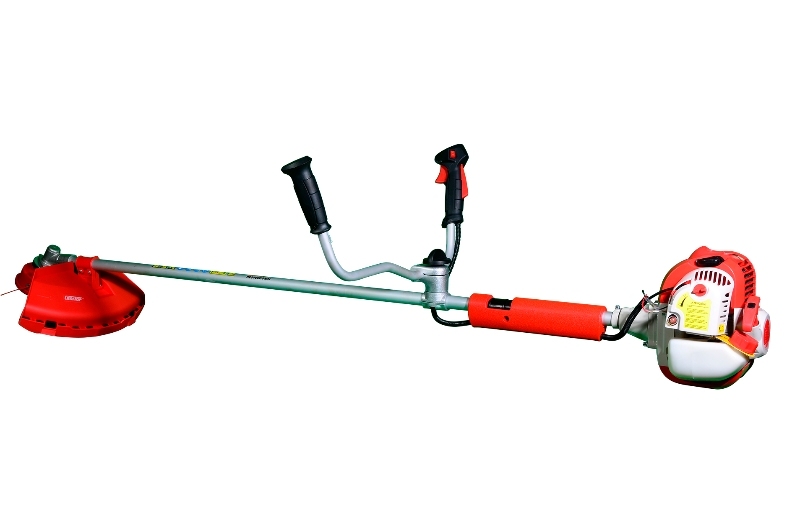
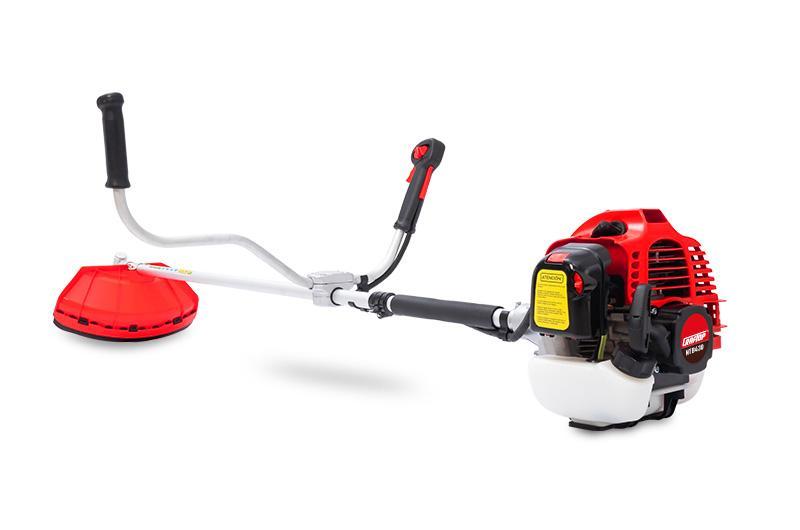
The West African market presents a dynamic and promising landscape for power tools, particularly brush cutters. For CRAFTOP, a brand typically positioned in the value-for-money segment, this region offers significant growth potential alongside distinct challenges. A strategic approach that leverages its cost advantages while mitigating inherent risks is crucial for success.

Opportunities for CRAFTOP
Strong Demand Drivers in Agriculture and Land Management:
- Agricultural Expansion: West Africa's economy is heavily agrarian, with vast plantations (e.g., cocoa, oil palm, rubber) and numerous smallholder farms. Brush cutters are essential for land clearing, weed control, and maintaining field boundaries. The ongoing shift from manual tools to mechanization creates a sustained demand.
- Infrastructure and Urban Development: Rapid urbanization and construction projects require brush cutters for clearing plots, maintaining road sides, and general site preparation, expanding the customer base beyond traditional agriculture.
Favorable Product-Market Fit:
- Price Sensitivity: The market is highly price-sensitive. CRAFTOP’s primary advantage lies in offering reliable functionality at a competitive price point, significantly below premium European brands like Stihl or Husqvarna. This positions it perfectly for the large segment of cost-conscious commercial users and small-scale farmers.
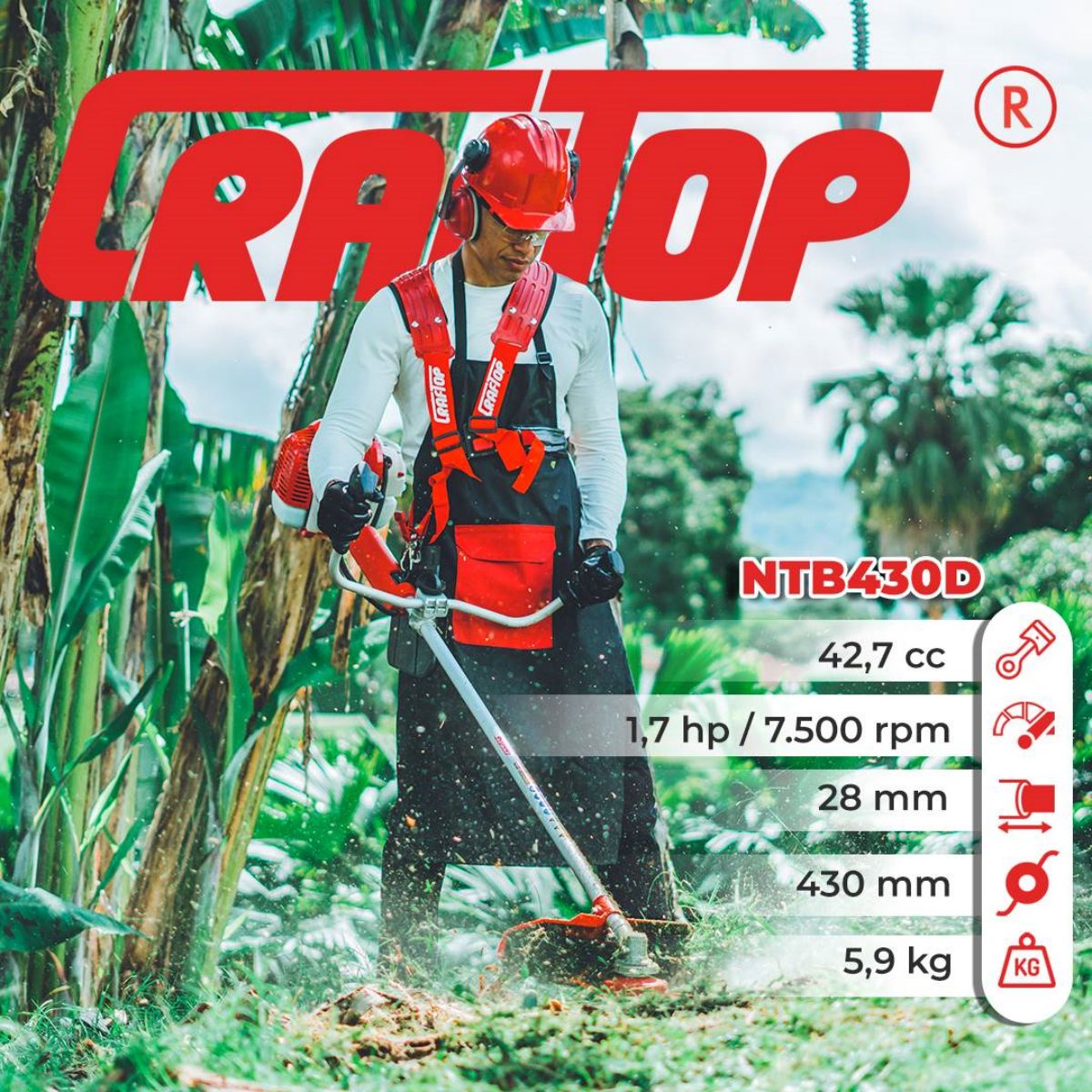
- Durability and Simplicity: CRAFTOP brush cutter models are generally known for their robust construction and straightforward mechanics. This aligns well with the demanding operating conditions (dust, heat, rough terrain) and the need for easy maintenance and repair in areas with limited technical support.
Market Gaps and Entry Points:
- Underserved Semi-Urban and Rural Markets: While major cities may have distributors for premium brands, secondary towns and rural areas are often underserved. CRAFTOP can capture this segment through its extensive distribution network.
- Transition from Informal Tools: There is a vast potential in converting users from rudimentary tools like machetes and sickles to mechanized brush cutters, driven by the pursuit of higher productivity. CRAFTOP's affordability makes it a viable entry-point weeding product for this demographic.

Challenges and Strategic Hurdles
Intense Competitive Pressure:
- Cheap Price Brands: CRAFTOP faces fierce competition from a plethora of other cheap brush cutters and generic "no-name" products, leading to intense price wars that can erode margins. However, lower prices often mean lower quality and service. Unlike other cheap brush cutters, CRAFTOP consistently provides high-quality weeding products at affordable prices.
Economic and Political Volatility:
- Currency Fluctuation and Payment Risks: Currency instability in several West African countries can impact pricing and profitability. Securing payments from distributors also poses a financial risk.
- Regulatory Hurdles: Unpredictable import regulations, changing tariffs, and potential political instability in certain nations can create an uncertain business environment.
Conclusion and Strategic Imperatives
The opportunity for CRAFTOP in West Africa is substantial, rooted in strong fundamental demand and a compelling value proposition.
By addressing the challenges and building a trusted brand, CRAFTOP brush cutters can effectively convert the vast potential of the West African market into lasting market share.

 EN
EN


 AR
AR BG
BG HR
HR CS
CS DA
DA NL
NL FI
FI FR
FR DE
DE EL
EL IT
IT JA
JA KO
KO NO
NO PL
PL PT
PT RO
RO RU
RU ES
ES SV
SV CA
CA TL
TL IW
IW ID
ID LV
LV LT
LT SR
SR SK
SK SL
SL UK
UK VI
VI SQ
SQ ET
ET GL
GL HU
HU MT
MT TH
TH TR
TR FA
FA AF
AF MS
MS SW
SW GA
GA CY
CY BE
BE IS
IS MK
MK YI
YI HY
HY AZ
AZ EU
EU KA
KA HT
HT UR
UR BN
BN BS
BS EO
EO GU
GU HA
HA HMN
HMN IG
IG JW
JW KN
KN KM
KM LO
LO LA
LA MI
MI MR
MR MN
MN NE
NE PA
PA SO
SO TA
TA TE
TE YO
YO ZU
ZU MY
MY NY
NY KK
KK MG
MG ML
ML SI
SI ST
ST SU
SU TG
TG UZ
UZ AM
AM CO
CO KU
KU KY
KY LB
LB PS
PS SM
SM GD
GD SN
SN SD
SD FY
FY XH
XH