An outboard motor is the heart of your boating experience. It’s not just about power; it’s about reliability, efficiency, and matching the engine to your specific needs on the water. Whether you're a seasoned angler, a weekend cruiser, or a first-time boat owner, selecting the right outboard is a critical decision. This guide will walk you through the key factors to consider to ensure you make a confident and informed purchase.
1. Determine the Right Horsepower (HP)
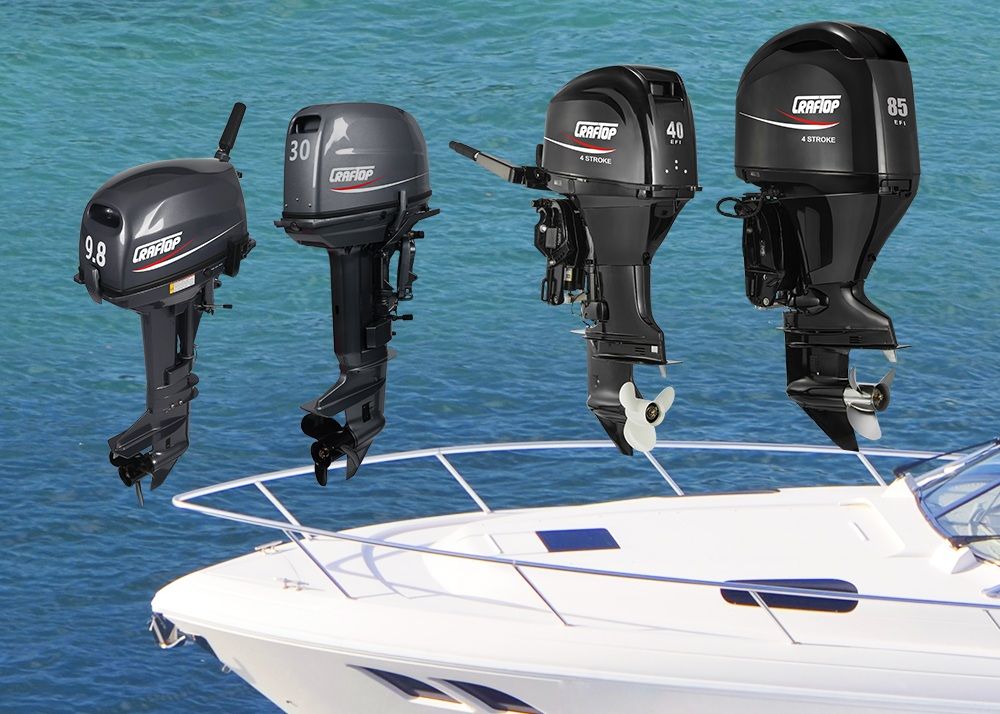
The most fundamental question is: how much power do you need? The goal is to match the outboard motor's horsepower to your boat's capacity and your intended use.
- Boat Capacity Plate: Always check your boat’s manufacturer’s capacity plate. It will state the maximum recommended horsepower. Never exceed this limit for safety and legal reasons.
- Performance Needs: While you can opt for less than the maximum HP, choosing an engine near the top end of the recommended range is often best. It provides better performance, especially when the boat is loaded with people, gear, or when fighting strong currents. An underpowered boat can be sluggish, inefficient, and unsafe in rough conditions.
2. Two-Stroke vs. Four-Stroke vs. Direct Injection
The technology behind the engine significantly impacts its performance, weight, and maintenance.
- Four-Stroke Outboard Engines: These are the most common for recreational use. They are quiet, fuel-efficient, clean-running, and require separate oil and fuel. They are typically heavier and more complex but offer a smooth, reliable experience, ideal for cruising, fishing, and family boating.
- Two-Stroke Outboard Engines (Direct Injection): Modern two-strokes are not the smoky, noisy engines of the past. Using advanced direct injection technology, they are clean, powerful, and lightweight for their horsepower. They are excellent for high-performance applications like bass boats or where minimizing weight is a top priority.
3. Select the Correct Shaft Length
An improperly sized shaft can lead to serious performance and safety issues. The shaft length must match your boat’s transom height.
- Short Shaft: 15 inches - For smaller boats with low transoms.
- Long Shaft: 20 inches - The most common size for standard center console and runabout boats.
- Extra-Long Shaft: 25 inches - Typically for larger offshore boats or sailboats with high transoms.
To measure, have your boat on a level surface. The distance from the top of the transom (where the motor mounts) down to the bottom of the hull is the required shaft length. The anti-ventilation plate just above the propeller should be slightly below the hull's bottom for optimal water flow.
4. Consider Weight and Transom Strength
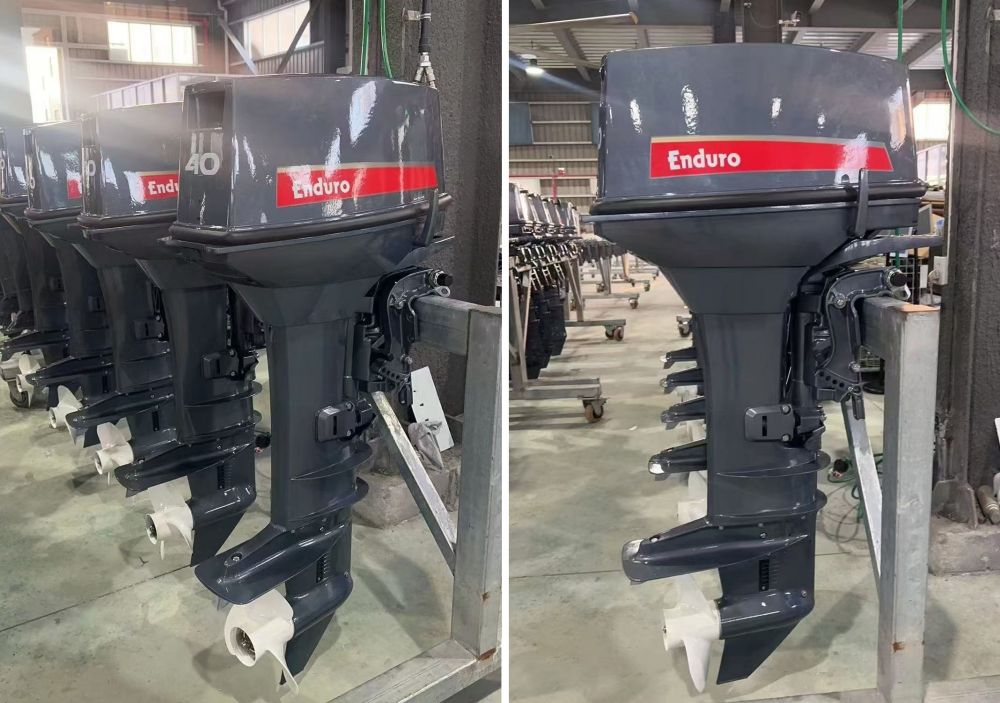
The weight of the outboard directly affects your boat’s stability, performance, and fuel economy. A heavier engine can cause the stern to sit lower in the water. Always ensure your boat’s transom is structurally sound and capable of handling the motor's weight, especially if you are repowering an older vessel.
5. Evaluate Key Features
Beyond the basics, consider features that enhance convenience and usability:
- Electric Start vs. Pull Start: Electric start is a must for larger engines and a welcome convenience on smaller ones.
- Power Tilt and Trim: This allows you to adjust the motor’s angle while underway, optimizing performance and allowing for easy beaching and trailering.
- Alternator Output: If you run multiple electronics like fish finders, GPS, or live wells, ensure the engine’s alternator can generate enough power to recharge your battery.
Fuel Efficiency and Noise Level: Read reviews and compare specifications. A quieter, more efficient engine makes for a more enjoyable and economical day on the water.
Hope you all find your right motor in the end.

 EN
EN



 AR
AR BG
BG HR
HR CS
CS DA
DA NL
NL FI
FI FR
FR DE
DE EL
EL IT
IT JA
JA KO
KO NO
NO PL
PL PT
PT RO
RO RU
RU ES
ES SV
SV CA
CA TL
TL IW
IW ID
ID LV
LV LT
LT SR
SR SK
SK SL
SL UK
UK VI
VI SQ
SQ ET
ET GL
GL HU
HU MT
MT TH
TH TR
TR FA
FA AF
AF MS
MS SW
SW GA
GA CY
CY BE
BE IS
IS MK
MK YI
YI HY
HY AZ
AZ EU
EU KA
KA HT
HT UR
UR BN
BN BS
BS EO
EO GU
GU HA
HA HMN
HMN IG
IG JW
JW KN
KN KM
KM LO
LO LA
LA MI
MI MR
MR MN
MN NE
NE PA
PA SO
SO TA
TA TE
TE YO
YO ZU
ZU MY
MY NY
NY KK
KK MG
MG ML
ML SI
SI ST
ST SU
SU TG
TG UZ
UZ AM
AM CO
CO KU
KU KY
KY LB
LB PS
PS SM
SM GD
GD SN
SN SD
SD FY
FY XH
XH