 EN
ENWholesale only. No retail and individual buyers. No job recruitment, please.
EN
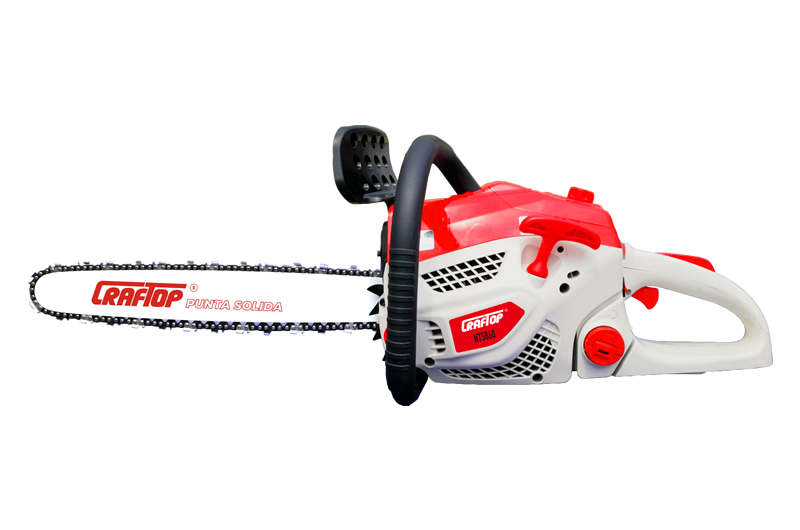
IT JUST WORKS. When you yank the cord to start your chainsaw, magic takes over. The spark plug provides the spark that ignites fuel inside an engine. (As it crashes — this is the wee spark that ignites everything.) A malfunctioning spark plug can lead to a failure in either starting the chainsaw or running it properly. This could be taking longer to penetrating wood and can even lose its workability using it.
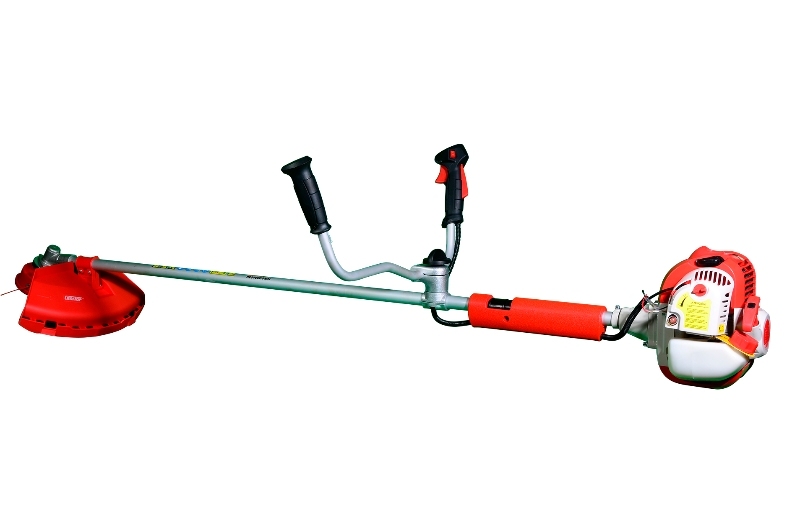
Fortunately, there are plenty of repair options available, and repairing a chainsaw sparking plug is relatively easy to do. Even if you’re not an expert, you can do this. You can go pick up a new brush cutter spark plug from the store and replace an old one yourself. When replacing the spark plug, it is smart to clean up the area where the spark plug sits. This guarantees that all is working as it should.
At this point you can check and gap the spark plug as required. Gapped means the tiny gap between the end of your spark plug and just above it, that metal part. If they are too far apart or close together, then your chainsaw will not work. It’s like making sure that a door sits properly in its frame. If it’s crooked, the door will not open or close correctly.
If you want your chainsaw to run better, check the spark plug that you're using. Just like how shoes come in different shapes and sizes, every chain saw has its own type spark plug for a precise fit. So it’s always best to consult your owner’s manual before buying one. The manual acts like a your chainsaw needs roadmap. If in doubt, ask a person who is knowledgeable about chainsaws_keys or possibly a friend that has reckoned with one.

There are various things that can decide as to which chainsaw spark plug is right for you. Conditions such as the temperature (or lack thereof) outside, and how high above sea level you might be, can also affect what is best for your car when it comes to spark plugs. Regular temperature is not a situation in which you necessarily want to run the same kind of spark plug that will handle extreme heat or cold.
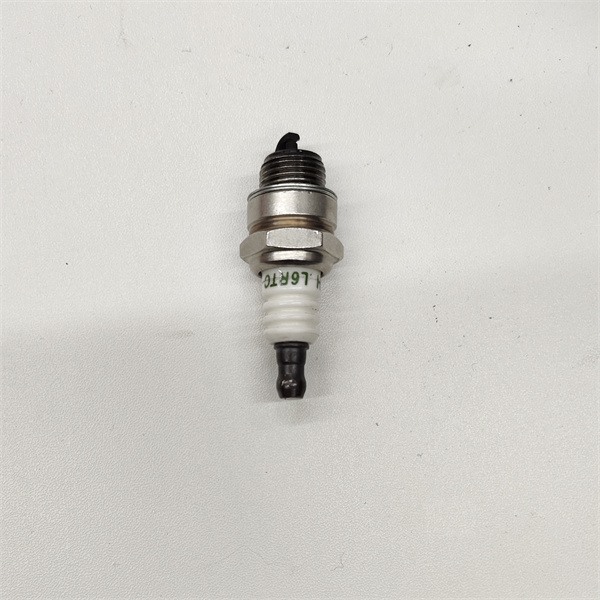
Spark plugs can also vary by what material they're constructed from, with each having its own advantages and disadvantages. Copper, for example, is usually a low-cost and highly effective conductor of electricity; thus, a copper spark plug does not fair as poorly in starting your engine. However, it does not have as good a lifespan as the other types of spark plugs. That also means you might have to change it out more frequently. But platinum spark plug is more durable and stronger, but it will cost a little bit. It’s a delicate balance between the essentials and what you can manage.
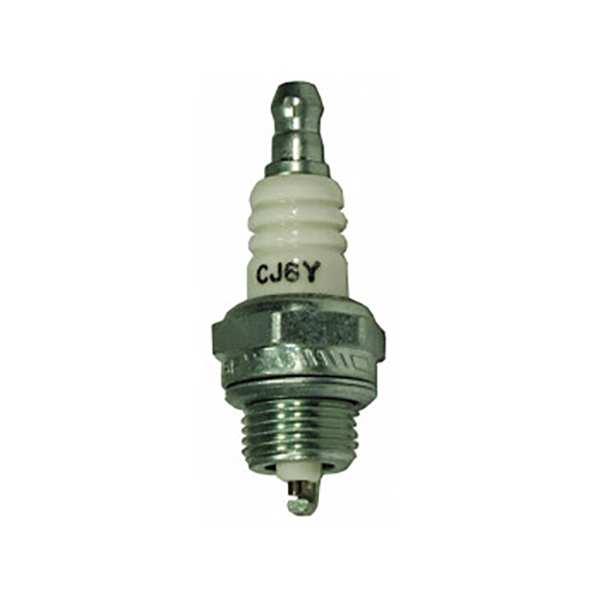
And no matter how well you maintain your gas chainsaw spark plug, it will eventually wear out and need to be replaced. Just like the shoes develop wear and tear after multiple long runs, spark plugs also lose their efficiency over time. But there are signs that it may need to be replaced. Some things to look out for:
 AR
AR BG
BG HR
HR CS
CS DA
DA NL
NL FI
FI FR
FR DE
DE EL
EL IT
IT JA
JA KO
KO NO
NO PL
PL PT
PT RO
RO RU
RU ES
ES SV
SV CA
CA TL
TL IW
IW ID
ID LV
LV LT
LT SR
SR SK
SK SL
SL UK
UK VI
VI SQ
SQ ET
ET GL
GL HU
HU MT
MT TH
TH TR
TR FA
FA AF
AF MS
MS SW
SW GA
GA CY
CY BE
BE IS
IS MK
MK YI
YI HY
HY AZ
AZ EU
EU KA
KA HT
HT UR
UR BN
BN BS
BS EO
EO GU
GU HA
HA HMN
HMN IG
IG JW
JW KN
KN KM
KM LO
LO LA
LA MI
MI MR
MR MN
MN NE
NE PA
PA SO
SO TA
TA TE
TE YO
YO ZU
ZU MY
MY NY
NY KK
KK MG
MG ML
ML SI
SI ST
ST SU
SU TG
TG UZ
UZ AM
AM CO
CO KU
KU KY
KY LB
LB PS
PS SM
SM GD
GD SN
SN SD
SD FY
FY XH
XH