 EN
EN AR
AR BG
BG HR
HR CS
CS DA
DA NL
NL FI
FI FR
FR DE
DE EL
EL IT
IT JA
JA KO
KO NO
NO PL
PL PT
PT RO
RO RU
RU ES
ES SV
SV CA
CA TL
TL IW
IW ID
ID LV
LV LT
LT SR
SR SK
SK SL
SL UK
UK VI
VI SQ
SQ ET
ET GL
GL HU
HU MT
MT TH
TH TR
TR FA
FA AF
AF MS
MS SW
SW GA
GA CY
CY BE
BE IS
IS MK
MK YI
YI HY
HY AZ
AZ EU
EU KA
KA HT
HT UR
UR BN
BN BS
BS EO
EO GU
GU HA
HA HMN
HMN IG
IG JW
JW KN
KN KM
KM LO
LO LA
LA MI
MI MR
MR MN
MN NE
NE PA
PA SO
SO TA
TA TE
TE YO
YO ZU
ZU MY
MY NY
NY KK
KK MG
MG ML
ML SI
SI ST
ST SU
SU TG
TG UZ
UZ AM
AM CO
CO KU
KU KY
KY LB
LB PS
PS SM
SM GD
GD SN
SN SD
SD FY
FY XH
XH
Picking the right brush cutter can be tricky, especially with so many choices out there.
Whether you're cleaning up or cutting tall grass on a big piece of land, the right tool makes the job easier and safer. Many people buy a cutter that's too weak or way too powerful for what they need. This guide will help you avoid that. We’ll explain things in simple terms so you can choose a brush cutter that fits your land, your job, and your budget.
Understanding Your Needs
Before you buy a brush cutter, think about what kind of work you’ll be doing. Not all cutters are made for the same jobs. If you only need to clean up a small garden or light weeds, an electric or battery-powered cutter might be enough. But if you’re woody plants, you’ll need something stronger, like a gas-powered cutter with a blade.
Also, ask yourself how often you'll use it. If it’s once in a while, a basic model is fine. But if you need to use it often or have a big area to cut, get a stronger one that can last longer. For example, someone with a few acres of land might choose a backpack-style cutter. But someone with a small yard could use a lightweight model with a curved shaft.
Look at the kind of plants you’re cutting too. Some people start with a nylon-line cutter, but later switch to a blade model. So before buying, walk around your yard and think about the work you’ll really be doing. This will save you time and money.
Types of Brush Cutters
There are different types of brush cutters, and each one is best for different jobs. Picking the right kind helps you avoid wasting money or time.
Handheld cutters are small and look like string trimmers, but they have more power and can use blades. They’re good for cutting tall grass, weeds, and small bushes. Some can switch between string and blade, which is handy.
Backpack cutters have the engine on your back, like a backpack. A long shaft connects the engine to the cutting head. These are great for large areas or rough ground. They take the weight off your arms and are popular with people who cut for long hours.
Walk-behind cutters are like small lawn mowers. They’re made for very thick brush, tall weeds, or even small trees. If you're clearing a big, messy field, this is the tool for the job. But they’re not for small, detailed work.
A friend of mine who owns a big rental property started with a handheld cutter but it kept overheating. When they switched to a walk-behind model, they saved hours of work each weekend.
Power and Performance
Brush cutters come with different power levels. The one you pick depends on what you need to cut. If the cutter is too weak, it will break or wear out fast. But if it’s too powerful, it will be heavy, use more fuel, and cost more for no reason.
Electric and battery-powered cutters are best for small, light jobs. They’re quiet, easy to start, and don’t need much care. Battery models usually last 30 to 60 minutes per charge, which is enough for small yards. One person told me they love their battery cutter for quick touch-ups along the fence. No gas or hard starting.
Gas-powered models are better for big areas or tough brush. They usually have engines from 25cc to 52cc. The bigger the number, the stronger the cutter. For light grass, 25cc is fine. For thick brush or small trees, go with 35cc or 52cc brush cutter. Just remember, more power means more weight and shaking. Some models have special handles to help with vibration.
Also, think about the blade. For grass, a string or plastic blade works. For heavy brush, you need a metal blade. Some cutters let you change blades depending on what you’re cutting.
Key Features to Consider
Power and size aren’t everything. Small details can make a big difference when using a brush cutter often.
Handle style matters. Loop handles work well for small spaces. Bike-style handles give you more control for big, sweeping cuts. One farmer I know said switching to a bike handle cutter made his fence line cleanups much easier on his arms.
A good harness is also important. It spreads the weight and helps you stay balanced.
Look for padded, adjustable straps. If the cutter feels too heavy in the front or back, it’ll wear you out fast.
Some cutters let you switch between blade and string head. This is great if your yard has both grass and thick weeds.
Easy-start features like primer bulbs, especially with gas cutters. Some models also make it easy to clean or fix parts without tools.
If you don’t like loud noise or shaking, get one with noise and vibration control. Some models have built-in systems that help a lot.
Ergonomics and Comfort
If your brush cutter isn’t comfortable, even a short job can feel like hard work. That’s why it’s important to think about comfort and how the machine feels in your hands.
Check the weight. Lighter machines are easier to carry but might not be strong enough.
Heavier ones work faster but need to be balanced right. A cutter that leans too far forward or back can hurt your back or shoulders.
Handles should have soft, non-slip grips. Controls should be easy to reach without moving your hands too much. One landscaper told me he switched to a better model after his hands cramped.
If your cutter is heavy, a padded shoulder harness helps a lot. Some also have a pad for your hip to stop the machine from rubbing. Make sure the harness fits your body well and spreads the weight evenly.
Some machines shake a lot when running. That can make your hands numb. Better models have systems to reduce vibration and keep you more comfortable.
Durability and Build Quality
You want your brush cutter to last, especially if you’re working in tough places. Strong build quality helps your tool work better for longer.
Look at the materials. A strong cutter usually has a metal shaft and tough engine cover. Aluminum and steel are better than plastic, especially near the blade or handles. One property manager I know switched to a better model after a plastic part on his old cutter cracked in a small hit.
For gas models, choose a cutter with a good engine brand like Honda, Stihl, or Husqvarna. These engines last longer and are easier to start. If you work in dusty or wet places, look for one with a good air filter and sealed engine parts.
Blades should be made of strong steel. Some have special coatings to stop rust. It’s good to have blades that you can sharpen or replace easily. A friend who clears hiking trails always keeps an extra blade ready so he’s never stuck.
Check if it’s easy to buy new parts. A long warranty is also helpful. If something breaks, you’ll want to fix it fast without hunting down rare parts.
Conclusion: Make an Informed Choice
Choosing a brush cutter isn’t about getting the biggest one. It’s about finding one that fits your work, feels good to use, and lasts a long time.
Think about the kind of plants you’ll cut, how often you’ll use it, and how big the area is. Pick the power source that fits your needs—gas, battery, or electric. Look for helpful features like a comfy harness, and easy-start button.
Don’t forget the little details. They make a big difference. With the right brush cutter, your work will be faster, easier, and better for your body.

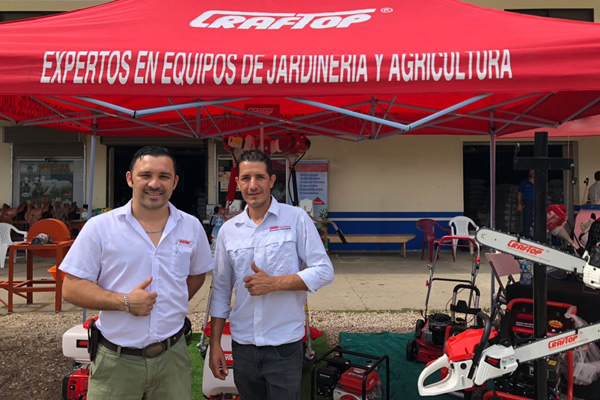
With over 20 years of experience, CRAFTOP has honed its expertise in the design and manufacturingof power tools for agriculture, gardening, and marine industries.