 EN
EN AR
AR BG
BG HR
HR CS
CS DA
DA NL
NL FI
FI FR
FR DE
DE EL
EL IT
IT JA
JA KO
KO NO
NO PL
PL PT
PT RO
RO RU
RU ES
ES SV
SV CA
CA TL
TL IW
IW ID
ID LV
LV LT
LT SR
SR SK
SK SL
SL UK
UK VI
VI SQ
SQ ET
ET GL
GL HU
HU MT
MT TH
TH TR
TR FA
FA AF
AF MS
MS SW
SW GA
GA CY
CY BE
BE IS
IS MK
MK YI
YI HY
HY AZ
AZ EU
EU KA
KA HT
HT UR
UR BN
BN BS
BS EO
EO GU
GU HA
HA HMN
HMN IG
IG JW
JW KN
KN KM
KM LO
LO LA
LA MI
MI MR
MR MN
MN NE
NE PA
PA SO
SO TA
TA TE
TE YO
YO ZU
ZU MY
MY NY
NY KK
KK MG
MG ML
ML SI
SI ST
ST SU
SU TG
TG UZ
UZ AM
AM CO
CO KU
KU KY
KY LB
LB PS
PS SM
SM GD
GD SN
SN SD
SD FY
FY XH
XH
Installing a fence is an important job. The depth of the fence posts matters a lot. If they are not deep enough, the fence can fall over. This can be bad for safety and looks. When you want to build a fence that lasts, knowing how deep to put the posts is key. CRAFTOP knows this well. Our experience in making strong Fence post auger drill helps us understand that deep posts help keep everything sturdy. Let's look at some best practices for how to install these posts and what factors can change how deep they should go.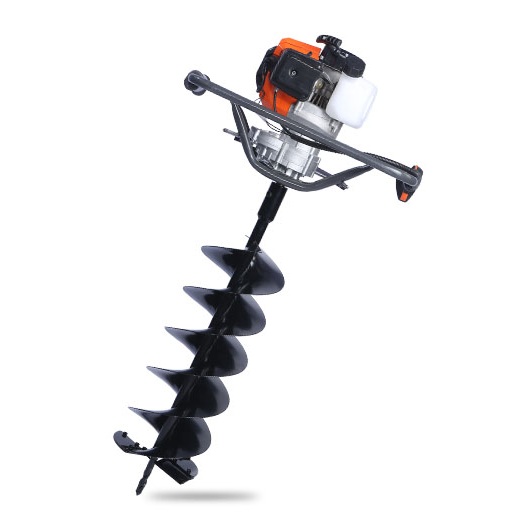
What Are the Best Practices for Deep Fence Post Installation?
When you install fence posts, there are several best practices to follow. First, digging a hole is the first step. The hole should be about one-third of the post's length deep. For example, if you have an 8-foot post, you should dig a hole at least 2 feet deep. This helps keep the post stable in the ground. If you live in a windy area, you might want to go even deeper. Using a post hole digger can make it easier to dig narrow holes. Make sure the hole is wide enough for the post to fit in comfortably.
Next, you should check if the post is straight. After placing the post in the hole, use a level to make sure it stands straight up. If the post leans, it can cause problems later. If the post is not straight, adjust it by adding or removing dirt around it. Once the post is straight, fill the hole with concrete or dirt. Concrete can give extra strength. Pour it in around the post and let it set for a day or two. This makes the fence much stronger.
Another best practice is to consider the weather. If it rains a lot in your area, water can wash away dirt around the post. This is why going deep into the ground is very important. Lastly, always check local building codes. Sometimes, there are rules about how deep fence posts should be. Following these rules helps keep your fence safe and strong for many years.
What Factors Affect the Depth of Fence Posts?
A number of elements may affect how far into the ground your fence posts must go. Soil type is one of those elements that play a key role in determining the depth at which your fence post should be buried. In case of sandy soil, the posts must be buried deep enough as water easily drains out of such soil. Clay soil retains water; hence it may turn soft when wet.
The weather also plays a big role. In areas with heavy rainfall or strong winds, deeper posts are better. They help the fence stay standing when the weather gets rough. If you live in a place that has freezing temperatures, the ground can freeze and thaw. This can push the posts up if they are not deep enough. So digging deeper helps avoid this problem too.
Next, the height of the fence matters. Taller fences need deeper posts because they need more support. If you are building a tall fence, consider making the posts longer and digging deeper holes.
Finally, local building codes can affect how deep you should dig. Some places have rules about this to make sure fences are safe. It is always a good idea to check these rules before you start digging. CRAFTOP is here to help you with all your fence-building needs. By considering these factors, you can ensure your fence is strong and lasts for many years.
When digging deep fence post holes, it's easy to make mistakes if you're not careful. One common mistake is not digging the hole deep enough. If the post is not set deep enough in the ground, it can become wobbly and might fall over, especially in strong winds or if it rains. Another mistake is digging the hole too wide. While it may seem like a good idea to make a bigger hole, it can actually make the post less stable. The ground around the post should hold it tight, so a hole that is too wide can cause problems. Make sure to use a post hole digger or auger, which helps you dig straight holes. A common error is not checking for underground utilities. Before you start digging, always check where the water pipes and power lines are located to avoid damaging them. You can usually call a local service that helps find this information. Also, don't forget to consider the type of soil you are digging in. If the ground is rocky or has lots of clay, it will be harder to dig. You might need a stronger tool or some help. Lastly, it's important to think about the weather. If it's raining or very wet, the soil can be muddy and hard to work with. Digging when it's dry is usually much easier. By avoiding these mistakes, your fence posts will be much stronger and last longer.
When deciding how deep to dig for wooden and metal fence posts, there are a few important things to think about. First, the general rule is to dig at least one-third of the post's total height into the ground. For example, if your fence post is 6 feet tall, you should dig at least 2 feet deep. This helps keep the post stable. However, if you live in an area with strong winds or heavy snow, you might need to dig even deeper. In those cases, digging up to half the post's height can be a good idea. For wooden posts, it's also smart to treat the bottom part with a protective coating to stop it from rotting in the ground. Metal posts are usually more durable, but they still need to be set deep enough to avoid tipping. Another thing to consider is the type of fence you are building. A tall privacy fence will need deeper posts than a short garden fence. Also, if your soil is sandy or loose, you may need to dig a bit deeper to ensure the fence can stand strong. Always remember to check local building codes as they may have specific requirements for fence depths. By calculating the right depth, you help ensure that your fence stays standing and looks good for a long time.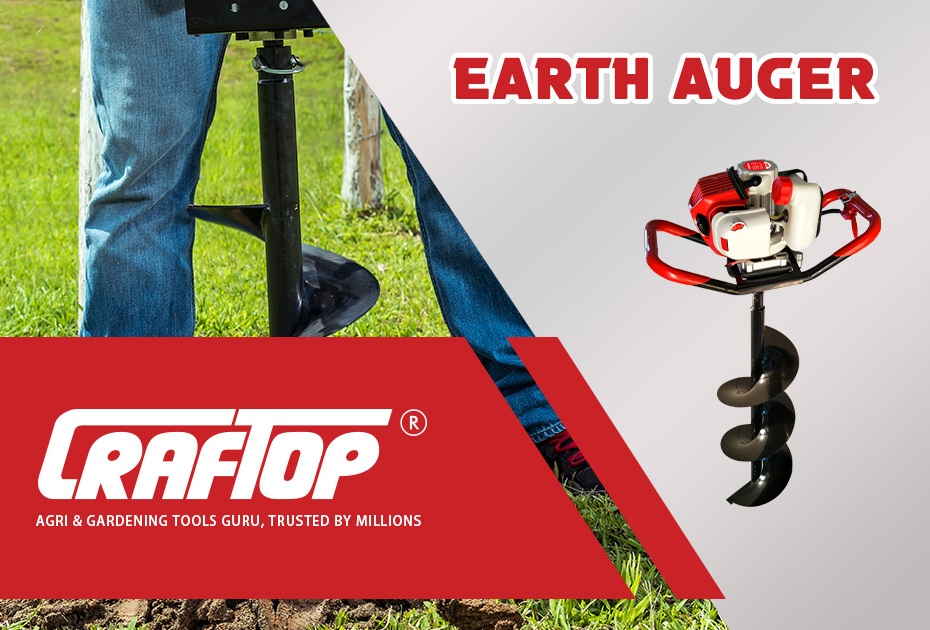
If you're looking to buy quality Fence post auger posts at wholesale prices, there are a few good options. First, you can check local hardware stores or lumber yards. They often sell posts in bulk, which can save you money. When shopping, make sure to ask about the depth of the posts. Some places might have different sizes, so it's important to find the right one for your project. Another great option is to look online. Many companies sell fence posts and can deliver them to your home. When buying online, make sure to read reviews to ensure the quality is good. You can also find out if the posts meet your needs for depth. CRAFTOP offers a variety of fence posts that are strong and durable, perfect for any fence you want to build. If you buy in larger quantities, you might get even better deals. Don't forget to check if they have special discounts or sales events. Lastly, consider talking to a local contractor or builder. They often know the best places to buy materials for your fence and can help guide you to quality options at the right price. Buying the right fence posts at the right depth is important for your project, and with some research, you can find exactly what you need!
With over 20 years of experience, CRAFTOP has honed its expertise in the design and manufacturingof power tools for agriculture, gardening, and marine industries.