 EN
EN AR
AR BG
BG HR
HR CS
CS DA
DA NL
NL FI
FI FR
FR DE
DE EL
EL IT
IT JA
JA KO
KO NO
NO PL
PL PT
PT RO
RO RU
RU ES
ES SV
SV CA
CA TL
TL IW
IW ID
ID LV
LV LT
LT SR
SR SK
SK SL
SL UK
UK VI
VI SQ
SQ ET
ET GL
GL HU
HU MT
MT TH
TH TR
TR FA
FA AF
AF MS
MS SW
SW GA
GA CY
CY BE
BE IS
IS MK
MK YI
YI HY
HY AZ
AZ EU
EU KA
KA HT
HT UR
UR BN
BN BS
BS EO
EO GU
GU HA
HA HMN
HMN IG
IG JW
JW KN
KN KM
KM LO
LO LA
LA MI
MI MR
MR MN
MN NE
NE PA
PA SO
SO TA
TA TE
TE YO
YO ZU
ZU MY
MY NY
NY KK
KK MG
MG ML
ML SI
SI ST
ST SU
SU TG
TG UZ
UZ AM
AM CO
CO KU
KU KY
KY LB
LB PS
PS SM
SM GD
GD SN
SN SD
SD FY
FY XH
XH
Choosing the right brush cutter blade might not seem like a big deal. Until your tool starts flopping halfway through the job. Trust me, using the wrong blade on tough weeds is just plain frustrating. One minute you’re breezing through grass, the next your cutter’s just spinning and whining. Doesn’t matter if it’s tall grass or thick brush. Whatever blade you throw on your machine affects how it cuts, how safe it feels, and even how much gas it drinks.
People often get stuck asking: should I stick with a nylon trimmer line or go all in with a heavy-duty steel blade? The truth is—it depends. So let’s break it down in plain, no-nonsense terms. This way, you won’t waste time or shred your machine trying to slice a sapling with a piece of string.
Understanding Brush Cutter Blade Fundamentals
Before you go digging through toolboxes, it’s good to know what these blades are actually meant to do. Most brush cutter setups let you switch between two main thing. Flexible trimmer lines and solid steel blades.
The trimmer line is that bendy plastic string. Usually nylon that spins fast and whips through grass and soft weeds. These are your go-to for light work. Edging the lawn, trimming around your veggie beds, dodging flower pots and fences. They’re softer, so if you bump into a rock or wall, it’s not the end of the world. You’ll mostly see them on string trimmers, but a lot of brush cutters can handle both styles.
Now, steel blades? Different story. These are your heavy hitters. They come shaped like knives—two-tooth, three-tooth, or even like tiny saws. They don’t mess around. You use these when you’re battling wild brambles, thick weeds, or baby trees trying to take over your backyard. But yeah, more power means more caution. These things can bounce, kick back, and turn dangerous if you’re not careful.
Real talk—there’s this guy who was trimming grass near his chicken coop. Trimmer line worked great. No flying junk, no freaked-out chickens. But when he hit the overgrown back fence covered in vines and mini-trees? Total fail. Swapped in a 3-tooth blade and breezed through the mess.
So if you’re just getting started with brush cutters, ask yourself: what kind of battle are you fighting? That answer will save your hands, your gear, and your weekend.
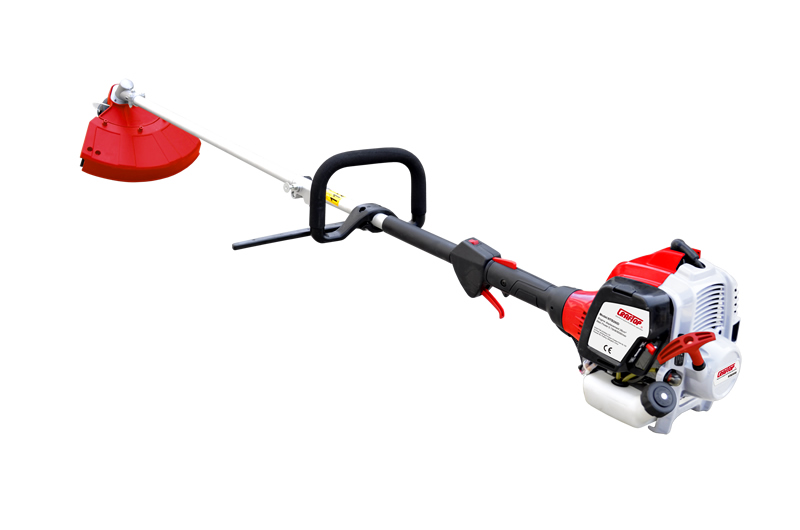
Trimmer Line vs Steel Blades: Which to Choose?
Standing in front of a yard full of weeds, you’ve got two choices—slice cleanly or suffer. So which tool wins? Depends on what you’re up against, how rough the terrain is, and how often you’re gonna be doing this.
Trimmer lines are perfect if your jobs are kinda chill. Just clearing grass along the fence? Need to touch up edges or tame a weedy sidewalk? Go with nylon. It’s easier to handle, it won’t freak out if you nick a brick, and you’re less likely to smash your plants by accident. Heavy-duty lines can even take on thicker stuff like banana stalks—if your cutter’s got the guts.
(Insert picture: Trimmer line cutting tall grass near a fence)
Now steel blades, that’s when things get gnarly. Thick weeds, rough brush, stubborn saplings? You’ll want steel. A 3-tooth blade can power through average jungle mess. Got real wood? Try an 8-tooth or saw-style blade—it’ll chew through baby trees like candy. But be warned, these blades don’t play nice. Hit a rock the wrong way and you’ll feel it. Always—always—wear gear.
Here’s another real-life bit. Say you’re clearing the edge of a lot overrun with thorn bushes and saplings. A trimmer line’s just gonna fray and give up. Swap in a steel blade and suddenly you’re slicing like a pro.
Bottom line? Use trimmer lines for light trimming and steel blades for heavy stuff. Know what you’re cutting before you start, and you’ll save your time, fuel, and sanity.
Multi-Head Systems Compared
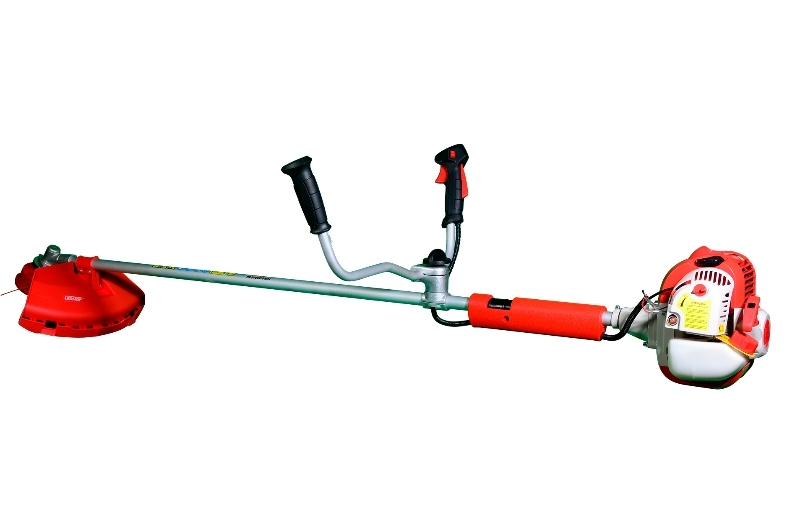
Maintaining Your CRAFTOP Brush Cutter Blades
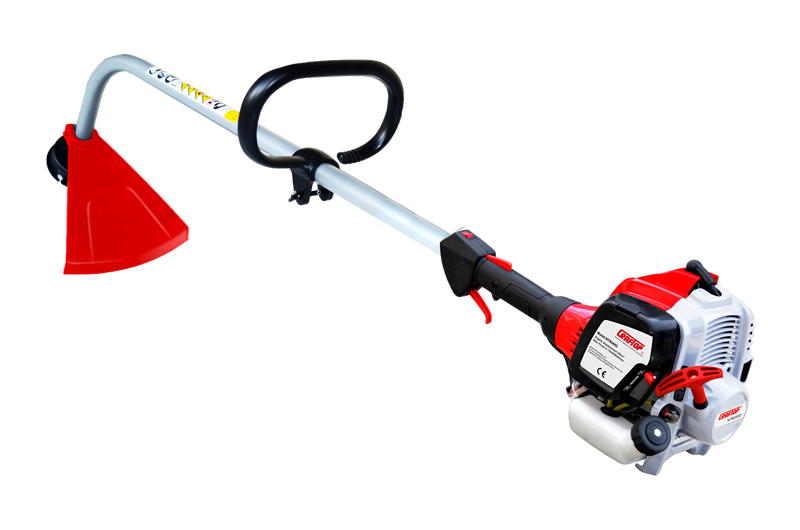
Summary
At the end of the day, picking the right blade or line for your brush cutter makes a big difference. It’s not just about getting the job done—it’s about doing it quicker, safer, and without all the extra hassle. Trimmer lines are perfect for light stuff like grass and weeds. While steel blades handle thicker brush and small trees like a champ. If your brush cutter lets you swap heads, even better—you’ve got options depending on what your yard throws at you.
Using the right setup and keeping your gear in good shape. Means less time struggling and more time enjoying the results. Yard work doesn’t have to be a pain. With the right tools, it’s actually pretty easy.
With over 20 years of experience, CRAFTOP has honed its expertise in the design and manufacturingof power tools for agriculture, gardening, and marine industries.