 EN
EN AR
AR BG
BG HR
HR CS
CS DA
DA NL
NL FI
FI FR
FR DE
DE EL
EL IT
IT JA
JA KO
KO NO
NO PL
PL PT
PT RO
RO RU
RU ES
ES SV
SV CA
CA TL
TL IW
IW ID
ID LV
LV LT
LT SR
SR SK
SK SL
SL UK
UK VI
VI SQ
SQ ET
ET GL
GL HU
HU MT
MT TH
TH TR
TR FA
FA AF
AF MS
MS SW
SW GA
GA CY
CY BE
BE IS
IS MK
MK YI
YI HY
HY AZ
AZ EU
EU KA
KA HT
HT UR
UR BN
BN BS
BS EO
EO GU
GU HA
HA HMN
HMN IG
IG JW
JW KN
KN KM
KM LO
LO LA
LA MI
MI MR
MR MN
MN NE
NE PA
PA SO
SO TA
TA TE
TE YO
YO ZU
ZU MY
MY NY
NY KK
KK MG
MG ML
ML SI
SI ST
ST SU
SU TG
TG UZ
UZ AM
AM CO
CO KU
KU KY
KY LB
LB PS
PS SM
SM GD
GD SN
SN SD
SD FY
FY XH
XH
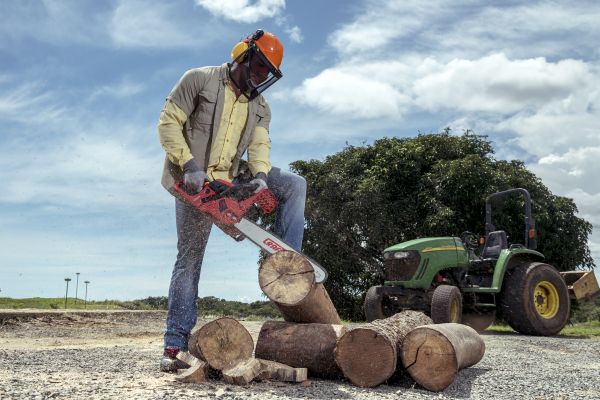
Thick brush is a pain to deal with—especially when your gear gives up before you do. If you’ve ever tried clearing land, whether you’re a farmer or just tired of that forest creeping into your yard, you know weak tools just don’t cut it. Machetes and cheap grass trimmers might work at first, but thick stuff needs real muscle. That’s where a solid cutter matters—and why CRAFTOP earned its spot among the tough ones that don’t leave you hanging mid-job.
Understanding the Challenge: Why Cutting Thick Brush Requires the Right Tool
Clearing thick brush isn’t like mowing the lawn. You’re dealing with stubborn vines, tough stalks, hidden rocks, and saplings fighting to stay rooted. Swing a machete at that? You’re wasting your energy. It’s not just messy—it’s what’s buried in there. Think cogon, bamboo shoots, or woody growth that wrecks regular trimmers in no time. Battery tools drain fast. Light-duty ones stall or snap. That’s why folks who’ve cleared serious mess know: weak tools cost you more than time.
Now, say you’re trying to clear out an old farm trail covered in knee-high brush. You could sweat it out with hand tools, or use a gas-powered cutter with the right blade and get the job done without hating life. CRAFTOP cutters don’t stop at trimming—they chew through thick growth like it’s no big deal. Just match your blade to the kind of mess you’re up against.
And if you’re stuck with the wrong setup? You’re not just slower. You’re working harder, risking injury, and probably making a bigger mess. Getting gear that’s built for wild growth? Big difference.
Why Gasoline Brush Cutters Are Ideal for Tough Jobs
Thick brush doesn’t go easy, so neither should your cutter. Gas-powered machines bring the kind of torque and endurance you need. No cords, no fading battery, just steady cutting force when you’re in the thick of it.
They’re designed to take punishment. Try hacking through a slope full of vines and small trees with an electric trimmer, and you’ll probably be back in the shed by noon. Out in the open, with wet ground or thick clusters? A battery tool gives up early. A gas CRAFTOP keeps rolling, no complaints.
And because gas cutters come with more serious blade options, they’re easier to adjust to whatever junk you’re facing that day.
They’re heavier, sure. But that weight? Kinda helps. Keeps the blade steady when the brush fights back. If clearing thick overgrowth is your usual chore, a gas model isn’t just nice to have—it’s the only thing that’ll keep up.
Meet CRAFTOP: A Reliable Brush Cutter Supplier
It’s not just what tool you grab—but who made it. CRAFTOP didn’t climb up by playing fancy. They built their rep with gear that shows up and puts in the work. No extras, no headaches.
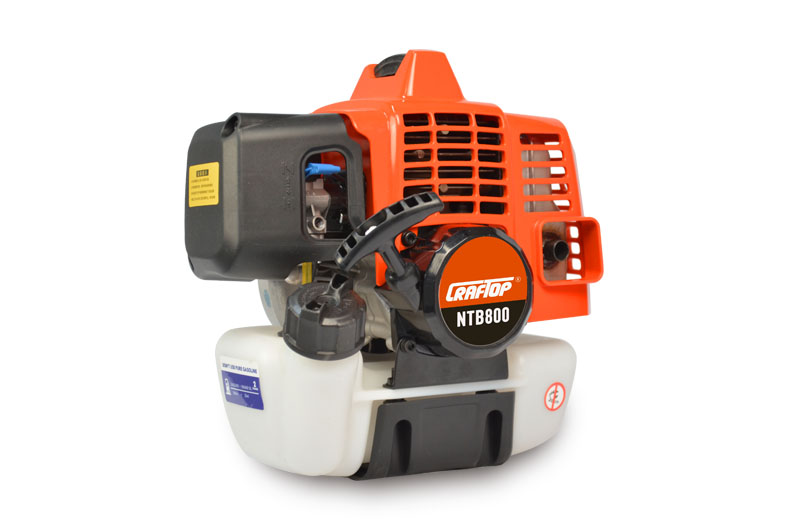
Their brush cutters are made to start easy, hold up longer, and not burn through your gas like it’s free. Even small stuff—like the way the handles fit or how sturdy the blades are—actually makes a difference when you’re out there sweating.
A landowner in Bukidnon once shared how he managed to clear 3 hectares over a few weekends with his CRAFTOP. Other tools gave him grief or gave out. His? Still running. And the bonus—when you need parts? They’re not a mystery. You can get them without some long drive or dealing with sketchy fixers.
[Insert picture here: CRAFTOP brush cutter with labeled parts and accessories.]
When a brand makes tools that feel like they’ve been tested by people who actually use them, that’s something.
Key Features to Look for in a Brush Cutter
Thinking of buying a cutter? Don’t get distracted by shiny paint or marketing fluff. If you want something that won’t bail after the first session, here’s what matters.
Start with engine power. Go for at least a 2-stroke engine with solid horsepower—around 1.5hp or more if you’re serious about clearing. CRAFTOP’s got good ones that don’t guzzle too hard. Then, blade type. Nylon lines? Okay for lawn edges. But thicker growth? You need metal. 3T or 40T blades get through the tough parts.
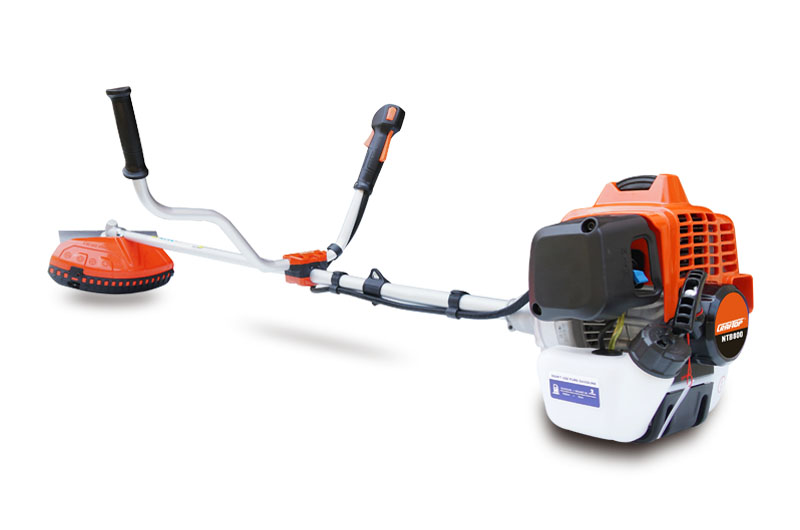
Then there’s comfort. Look for anti-vibe handles, shoulder straps—stuff that makes long sessions feel less punishing. Shaft style matters too. Straight shafts reach better and handle dense areas more cleanly. That’s why CRAFTOP mostly sticks with those.
Lastly, don’t ignore maintenance design. If you can open up the air filter or tank without a toolbox, you’ll save time and extend the cutter’s life.
Get a setup with all this, and you’re ready—not scrambling mid-job.
Choosing the Right CRAFTOP Brush Cutter for Your Needs
Not every cutter fits every job. You’ve got to match the machine to the work.
Start light. Got weeds or light trimming? A compact model works great. Easy to carry, fine with nylon or a 3T blade.
Then move up. Medium brush, some woody stuff, vines? You’ll want a mid-tier gas model. It should handle both metal and nylon blades, ideally with an 8T or 40T blade option.
[Insert picture here: comparison chart of light vs. heavy CRAFTOP models.]
Last is the heavy stuff. If you’re staring down wild fields, thick cogon, or sloped terrain? Get a serious cutter. CRAFTOP’s heavier-duty models pack more power, tougher shafts, and gearboxes that won’t quit mid-cut.
Fuel tank size matters too. Some models have recoil starters that make solo work less painful. If you pick the right one, your job gets easier—less cursing, more clearing.
Maintenance Tips for Long-Lasting Performance
Want your gear to last? Take care of it. These things aren’t made to sit in the corner between jobs. Wipe them down after use. Brush and plant sap get everywhere—cleaning keeps it running right. Use a soft brush for tight spots like near the engine.
Keep that air filter in check. Dirty filter? Weak output. Pop it open, give it a tap or swap if needed.
Watch the blades. A dull blade doesn’t cut—it whacks. Sharpen or change it as needed (and yeah, engine off before touching). Use fresh fuel. Don’t leave old gas sitting inside. If you’re parking it for a while, run the tank empty. Bolts come loose too—check them once in a while, especially near the blade and handle.
Do that, and your cutter pays you back with more clean-ups and fewer breakdowns.
Summary
Thick brush isn’t fun—but a tough cutter makes it manageable. CRAFTOP gas brush cutters give you the strength, balance, and fuel to clear the worst of it. Farms, yards, or wild lots—it doesn’t really matter. They built these for sweat, not showroom shelves. It’s not about going fast. It’s about getting through without burning out or wrecking your gear. Learn your machine, take care of it, and it’ll do the job.
If you’ve been losing the battle with vines and overgrowth lately, maybe it’s time to bring in something that actually gets it done. Thanks for sticking around. If you’re curious which CRAFTOP model fits you, we’ve got more how-to’s coming soon.
Table of Contents
- Understanding the Challenge: Why Cutting Thick Brush Requires the Right Tool
- Why Gasoline Brush Cutters Are Ideal for Tough Jobs
- Meet CRAFTOP: A Reliable Brush Cutter Supplier
- Key Features to Look for in a Brush Cutter
- Choosing the Right CRAFTOP Brush Cutter for Your Needs
- Maintenance Tips for Long-Lasting Performance
- Summary
With over 20 years of experience, CRAFTOP has honed its expertise in the design and manufacturingof power tools for agriculture, gardening, and marine industries.